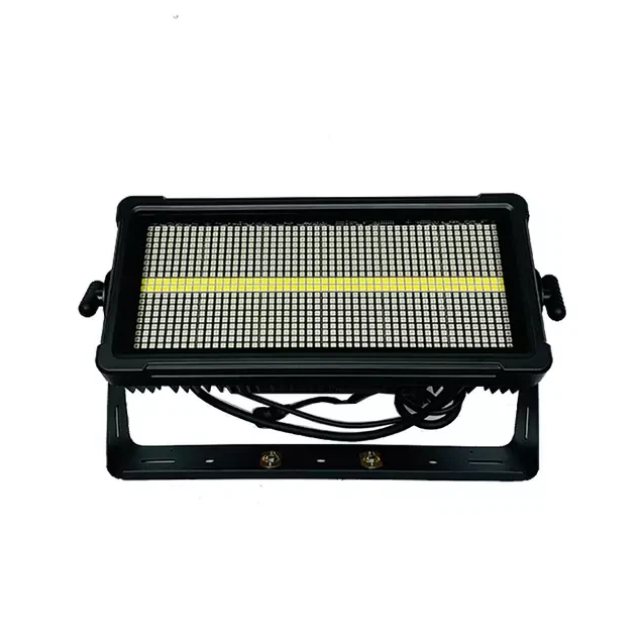
Creating a visually stunning stage begins long before the first note plays or the curtain rises — it starts with precise and well-planned lighting. LED stage lights have revolutionized modern performances by offering flexible color control, energy efficiency, and creative effects. Whether for concerts, theaters, or event venues, understanding how to set them up properly is essential for achieving professional results. At GuangDong Future Optoelectronics Technology Co., Ltd., our LED stage lighting systems are designed for ease of setup, smooth DMX integration, and lasting reliability. In this guide, we’ll walk you step-by-step through planning, rigging, wiring, and controlling your stage lights to ensure a flawless show that captures every performer’s moment perfectly.
Before You Start — Planning the Show
Before hanging or powering anything, a solid plan is the foundation of a successful stage lighting setup. Proper preparation not only saves time but also ensures that your lighting system meets both artistic and technical requirements. A good lighting plan considers space, mood, visibility, and power management.
1. Define Lighting Zones
Divide your stage into functional lighting zones:
Front light for visibility and facial expression.
Backlight for depth and separation.
Wash and color zones for mood and ambient effects.
Specials for highlighting solo performers or specific stage areas.
Mapping these zones ensures you know exactly how many LED stage lights you need and where to position them. You can visualize the lighting coverage using stage layout software or a simple sketch. This step helps avoid overlaps and dark spots while maintaining balance across the stage.
2. Assess Power and Safety Requirements
Calculate the total power load of your lighting fixtures. Although LEDs consume less power than traditional halogen lights, safe distribution remains essential. Use separate circuits for different zones, and ensure all cables and connectors meet venue standards. Always leave a margin for additional lights or effects like laser light if your design requires them. Never overload a single circuit — evenly distributing the power ensures stability and prevents flickering.
3. Choose Your Control System
Decide whether you will use DMX control, stand-alone presets, or wireless connections. Planning this early helps organize cable routing and DMX addressing later. Professional events typically use DMX control for precision and synchronization, while small shows can operate efficiently in stand-alone mode.
4. Evaluate Environmental Conditions
If your setup is outdoors or in a humid environment, select fixtures with suitable IP ratings. At GuangDong Future Optoelectronics Technology Co., Ltd., our fixtures are built with durable housing and weatherproof options to ensure consistent performance even under challenging conditions. Proper environmental planning not only extends the lifespan of your fixtures but also guarantees uninterrupted performance during outdoor events.
Rigging and Placement Basics
Mounting your lights correctly ensures both safety and professional visual results. Understanding fixture types and positioning is key to achieving balanced coverage and a polished appearance.
1. Front Wash and Key Lights
Front lights provide essential visibility for performers. Hang them above the audience area at a 30–45° angle to minimize shadows and glare. LED par cans and profile lights are ideal for this position due to their wide beam control. For musical or dramatic performances, ensure consistent front lighting to make faces clearly visible for the audience and cameras.
2. Backlights for Depth
Position backlights at the rear truss, angled down toward the stage. This adds separation between performers and the backdrop, creating a three-dimensional look that enhances depth perception. Using different colors on backlights can add atmosphere or emotion to a scene.
3. Side and Accent Lighting
Use side lighting to emphasize movement, ideal for dance performances. Specials such as moving head fixtures from our product line can create dynamic motion and highlight key performers with precision. Side lighting also helps reduce unwanted shadows and improves the visibility of costumes and choreography.
4. Cyc and Edge Lighting
For background or curtain illumination, use linear LED fixtures along the floor or overhead. Adjust the beam angle for even coverage. Consider adding laser light effects for high-energy moments to elevate visual impact. Combining lasers with LED color washes can create an immersive atmosphere that synchronizes with music or performance beats.
5. Recommended Mounting Heights and Angles
Front lights: 3–4 meters high, angled 30–45°
Backlights: 4–6 meters high, angled 45°
Sidelights: mounted slightly above eye level
Always secure each light with a safety cable and check clamp tightness before energizing the system. Never compromise safety for speed — a well-secured rig ensures peace of mind throughout the show.
Power and Weatherproofing Essentials
Reliable power distribution ensures your show runs smoothly from start to finish. Follow these simple steps to avoid common electrical issues and ensure consistent illumination.
1. Calculate Total Power Load
Add up the wattage of all fixtures, then multiply by 1.2 to include a safety margin. Split the load evenly between available circuits. LED fixtures typically draw less current, making them easier to manage and more efficient for touring productions. Use power conditioners to stabilize voltage in venues with inconsistent supply.
2. Choose Proper Cables and Connectors
Use professional-grade power cables rated for your load. Label both ends to simplify setup and troubleshooting. Avoid daisy-chaining more lights than recommended by the manufacturer, and keep signal and power cables separated to reduce interference.
3. IP Ratings and Outdoor Use
When using LED stage lights outdoors, select models with IP65 or higher ratings for protection against moisture and dust. Our company’s LED moving lights and par fixtures are designed to withstand harsh environments while maintaining consistent color output. For semi-outdoor use, IP54-rated lights often provide enough protection when placed under cover.
4. Quick Weatherproofing Checklist
Confirm fixture IP rating matches environment
Use sealed connectors or waterproof tape for joints
Protect power strips under cover
Regularly inspect for corrosion or water ingress
Test your lighting system before the event begins

Control Options: DMX, Stand-Alone, and Wireless
Modern lighting control allows you to synchronize effects, color changes, and motion with precision. Understanding the basics of DMX control will help you create a professional and flexible lighting environment that responds seamlessly to your show cues.
DMX Control Systems
DMX (Digital Multiplex) is the industry standard for controlling multiple lights from a single console. Each fixture receives commands through a daisy-chained network, allowing full control over intensity, color, strobe, and movement.
DMX Cables: Connect fixtures in series from the controller’s output.
DMX Addresses: Assign each light a unique start address to prevent conflicts.
Terminator: Always place a DMX terminator at the end of the line to prevent data reflection.
With our LED moving lights, configuration is even easier — most models feature automatic DMX recognition, reducing setup time dramatically.
Stand-Alone and Wireless Options
Many of our LED stage lights feature built-in programs for simple setups, ideal for smaller venues or quick events. Wireless DMX systems eliminate cable clutter, providing more flexibility during rigging and operation. Wireless systems are particularly helpful for temporary installations or large-scale outdoor events where cabling would be difficult or hazardous.
Basic DMX Addressing Example
Connect your first light to the DMX controller using an XLR cable.
Assign it DMX address 001.
The next fixture should start at 017 (if the previous light uses 16 channels).
Continue daisy-chaining lights, adjusting each start address accordingly.
Test each fixture for response before mounting all units.
This simple sequence ensures your lights respond accurately to commands without overlap or interference, making your lighting show both stable and predictable.
Common Setup Workflows and Troubleshooting
Even with careful planning, minor issues can arise. Here are typical scenarios and how to fix them quickly:
No Light Output: Check power supply, circuit breaker, and DMX cable connections.
Flickering or Unstable Output: Inspect for loose connectors or overlapping DMX addresses.
Inconsistent Colors: Recalibrate color settings and verify all fixtures use the same DMX mode.
Uneven Brightness: Adjust dimmer curves or ensure fixtures are clean and unobstructed.
No Response from Controller: Replace or reseat DMX cables and recheck the terminator plug.
Following a structured workflow—plan, rig, connect, and test—helps avoid last-minute problems. Keep a short testing sequence ready before every event to verify system integrity.
Product Highlights — Why Our LED Stage Lights Simplify Setup
At GuangDong Future Optoelectronics Technology Co., Ltd., our LED Stage Light line is built for professionals who value precision and reliability. Each fixture features customizable intensity, adjustable color temperature, and variable beam angles for maximum flexibility. The integrated strobe and smooth dimming effects allow you to create dramatic transitions, while pan and tilt motors provide fluid movement and full-stage coverage.
Setup is faster thanks to our user-friendly interface and auto-addressing DMX mode, which detects and configures lights automatically. With robust aluminum housing, efficient heat dissipation, and weatherproof designs, these lights perform consistently in any environment. Our after-sales support ensures that your investment continues to deliver performance and reliability long after installation. Whether you’re lighting a concert tour, a corporate event, or a theatrical production, our LED systems provide the creative freedom and stability professionals depend on.
Conclusion
Setting up LED stage lights doesn’t have to be complicated. By carefully planning your lighting zones, rigging safely, managing power correctly, and mastering DMX control, you can transform any venue into a professional performance space. At GuangDong Future Optoelectronics Technology Co., Ltd., we design lighting systems that empower creativity while simplifying setup for technicians worldwide. To explore our full range of stage lighting solutions — including best lights for staging and advanced control accessories — contact us today to learn how our products can bring your next production to life.
FAQ
1. How many LED stage lights do I need for a small stage?
It depends on your stage size and design. Typically, 6–8 lights can cover a small area when divided between front, back, and side lighting zones.
2. Can LED stage lights be controlled without a DMX console?
Yes. Many of our lights offer stand-alone or sound-activated modes, allowing simple operation without a DMX controller.
3. What IP rating is best for outdoor LED stage setups?
For outdoor use, choose fixtures rated IP65 or higher to protect against dust and rain.
4. What makes your LED stage lights suitable for touring events?
Our fixtures are lightweight yet durable, with quick-connect power links, auto-addressing, and robust housings — ensuring fast setup and reliable operation across multiple venues.