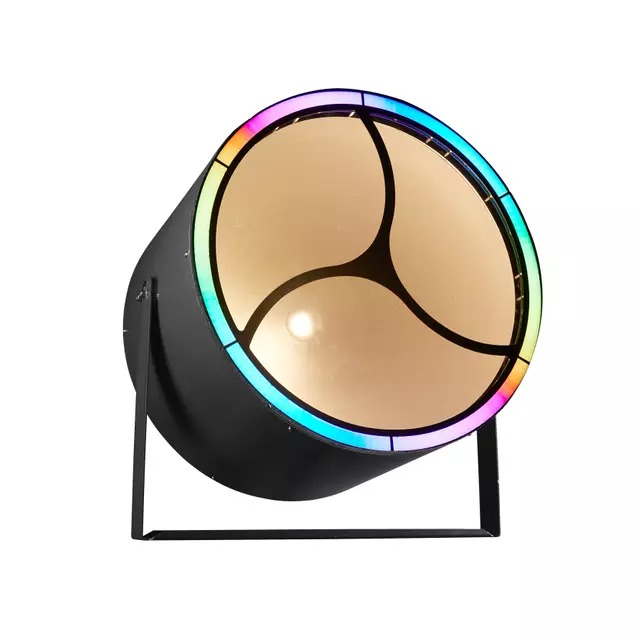
Lighting has a significant impact on how we experience a space. Did you know that the type of light you choose can affect your mood and productivity? Whether you're designing a cozy living room or setting the right tone for a stage light, understanding the difference between soft white light and daylight is crucial.
In this article, we’ll break down these two lighting options, focusing on their color temperatures, ideal uses, and how they can enhance both home and professional settings. You'll learn how to choose the right light for your environment and specific needs.
Understanding Light Color Temperature
What is Color Temperature?
Color temperature refers to the appearance of light, quantified in Kelvin (K). It defines whether light feels warm (yellow) or cool (blue). The lower the Kelvin number, the warmer and more relaxing the light; the higher the number, the cooler and more energizing the light. For example, soft white light typically falls between 2700K and 3000K, while daylight ranges from 5000K to 6500K. Understanding color temperature helps you select the ideal lighting for different activities and moods. Choosing the right color temperature can have a profound effect on your daily tasks, sleep patterns, and overall mood.
The Kelvin Scale and Its Impact
The Kelvin scale measures the color temperature of light, ranging from a warm, red glow at 1000K to a bright, bluish light at 10,000K. Choosing the right Kelvin temperature for your lighting is essential, as it significantly impacts the atmosphere of a room. For example, soft white light is perfect for a cozy living room, while daylight is ideal for the focus required in a home office. Understanding the differences can help you create spaces that meet your specific needs.
Light Type | Kelvin Range | Effect on Atmosphere |
Soft White | 2700K-3000K | Warm, inviting, perfect for relaxation areas like living rooms and bedrooms. |
Daylight | 5000K-6500K | Bright, crisp, ideal for task-oriented spaces like home offices or kitchens. |

What is Soft White Light?
Defining Soft White Light
Soft white light has a color temperature range of 2700K to 3000K. It emits a warm, yellowish glow, making spaces feel cozy and relaxed. This type of light is often associated with traditional incandescent bulbs, giving it a timeless appeal in residential settings. It is particularly favored for creating intimate, peaceful environments.
Ideal Applications for Soft White Light
Soft white light is perfect for areas where comfort and relaxation are paramount. Consider using it in:
● Living Rooms: Enhances comfort and warmth, ideal for unwinding.
● Bedrooms: Creates a calm, inviting atmosphere conducive to sleep.
● Dining Rooms: Soft lighting encourages a pleasant dining experience.
This light works best in spaces with warm, earthy tones, such as wooden furniture, beige walls, or soft color palettes. It complements natural materials, creating a balanced, serene environment. Additionally, soft white light is ideal for Waterproof Stage Lights when used in outdoor performances, ensuring the lighting provides the right mood while remaining resilient in varied weather conditions.
Soft White Light in Stage Lighting
Soft white lighting plays a pivotal role in creating intimate, welcoming environments in stage settings. It’s commonly used in theater productions, concerts, and events to set a warm, inviting atmosphere. Whether you're designing the lighting for a cozy theater performance or an intimate concert setting, soft white light enhances the mood and brings performers closer to the audience. For Waterproof Stage Lights, soft white LEDs are particularly valuable for outdoor performances, offering both functionality and atmosphere in all weather conditions.
Tip: When using soft white lights for outdoor stage performances, ensure they are waterproof stage lights to protect against moisture and weather fluctuations.
What is Daylight?
Defining Daylight
Daylight lighting features a color temperature between 5000K and 6500K, giving off a bright, bluish-white light that mimics natural daylight. This type of lighting is often used when clarity and focus are needed, as it closely resembles the light seen during midday. Daylight bulbs are frequently used in work environments because they provide clear, sharp lighting that enhances visibility and reduces eye strain.
Best Uses for Daylight Bulbs
Daylight bulbs are ideal for spaces where visibility and focus are key. Some common applications include:
● Kitchens: Provides bright, clear light for food preparation, making tasks like chopping vegetables or reading labels easier.
● Bathrooms: Helps with detailed tasks like shaving or makeup, providing bright, true-to-life lighting.
● Offices: Improves visibility and focus for work tasks, reducing eye fatigue during long hours of work.
● Garages/Workshops: Brightens up workspaces where precision is necessary, ensuring clear visibility for detailed projects.
By mimicking natural daylight, this light boosts productivity and clarity in spaces requiring attention to detail. It helps to combat the sluggishness and fatigue often felt in artificial lighting, which can be especially important in environments requiring precision and long hours.
Daylight Bulbs in Stage Lighting
Daylight bulbs are indispensable in stage lighting for creating sharp contrasts and ensuring performers are visible under bright lights. The cool, blue-white hue helps enhance visual details, especially for complex stage settings or high-energy performances. It’s particularly useful for performances where actors, dancers, or musicians need to remain visible in large venues or on outdoor stages.
For Waterproof Stage Lights, daylight lighting provides both the brightness needed for visibility and the durability required for outdoor use. Whether used for an outdoor concert or a festival, waterproof stage lights with daylight bulbs ensure crisp visibility even in challenging weather. These lights not only boost visibility but also contribute to the dynamic energy of the performance, helping the audience feel engaged and connected to the event.
Soft White vs Daylight: Key Differences
Color Temperature Comparison
The main difference between soft white and daylight light is their color temperature. Soft white light creates a warm, yellowish glow, while daylight light is a bright, bluish-white light that mimics natural sunlight. These differences impact how a space feels and functions. Soft white is perfect for creating a cozy, relaxing environment, while daylight is better suited for areas that require focus and energy.
Light Type | Kelvin Range | Effect on Atmosphere | Ideal Use |
Soft White | 2700K-3000K | Warm, yellowish glow, comfortable and relaxed ambiance. | Relaxation areas like living rooms and bedrooms. |
Daylight | 5000K-6500K | Bright, bluish-white light, mimics natural daylight. | Task-oriented spaces like offices, kitchens, and workshops. |
Energy Efficiency Considerations
When deciding between soft white and daylight bulbs, energy efficiency is an important factor. Both types are available in energy-efficient LED formats, which use less electricity and last longer than traditional bulbs. Daylight bulbs, due to their brighter and cooler light, tend to use slightly less wattage, making them more efficient in certain applications like workspaces where consistent and bright lighting is needed.
Light Type | Energy Efficiency | Wattage Use | Ideal Applications |
Soft White | Energy-efficient | Higher wattage | Cozy, relaxing spaces like living rooms or bedrooms. |
Daylight | Energy-efficient | Lower wattage | Workspaces requiring bright, consistent lighting, such as offices or kitchens. |
Mood and Ambiance: Soft White vs Daylight
The key difference between soft white and daylight light lies in the mood they create. Soft white light promotes relaxation and comfort, making it ideal for spaces where you unwind. On the other hand, daylight light stimulates alertness and focus, making it perfect for work environments where clarity and energy are essential.
Light Type | Mood Created | Ideal Applications |
Soft White | Relaxing and comforting | Living rooms, bedrooms, dining areas. |
Daylight | Alertness and focus | Kitchens, offices, workshops. |

Choosing Between Soft White and Daylight for Your Space
Best Light for Relaxation
For spaces like bedrooms and living rooms, soft white light is ideal for creating a soothing, cozy atmosphere. It’s less harsh on the eyes and promotes relaxation, making it easier to unwind at the end of the day. The warm hues help trigger the body’s natural relaxation responses, helping you prepare for sleep.
Daylight for Task-Oriented Spaces
If you need light for tasks like cooking, reading, or working, daylight bulbs are the better choice. Their bright, focused light improves visibility and clarity, helping you stay alert and productive. Daylight bulbs also reduce the likelihood of eye strain, particularly in rooms where people need to focus on intricate tasks for extended periods.
Combining Soft White and Daylight in One Room
In some spaces, it’s beneficial to combine both types of lighting. For instance, in a kitchen, you can use daylight bulbs for task lighting (like under-cabinet lighting) and soft white bulbs for ambient lighting (such as overhead lights or pendants) to create a balanced environment. Similarly, bathrooms might benefit from soft white light for relaxation and daylight bulbs for tasks like applying makeup. This combination ensures that the space serves multiple purposes efficiently.
Light Type | Ideal Use | Best Locations | Effect on Mood |
Soft White | Relaxation (living rooms, bedrooms) | Living rooms, Bedrooms, Dining | Calming, cozy, promotes relaxation |
Daylight | Task-oriented (kitchens, offices) | Kitchens, Offices, Workshops | Alert, focus, enhances visibility |
Both | Combined lighting | Kitchens, Bathrooms, Offices | Balanced atmosphere, multi-purpose |
Soft White and Daylight in Stage Lighting
The Role of Lighting in Stage Design
Lighting is a powerful tool in stage design. Soft white light is often used to create a warm, intimate atmosphere for smaller performances, while daylight lighting is used for larger, more energetic events. Stage lighting designers carefully select these lighting types to complement the theme of the production, ensuring that each performance is visually compelling. Whether you’re hosting a drama, a concert, or a large-scale theatrical production, the choice of lighting influences how the audience perceives the performers and the story.
Choosing the Right Lighting for Stage Performances
In stage settings, the choice of light can dramatically affect the mood and energy of the performance. Soft white light might be used in a quiet, introspective scene, while daylight lighting is reserved for scenes requiring high visibility and dynamic energy. Both lighting types, when selected correctly, enhance the audience’s experience by either emphasizing dramatic moments or highlighting energetic performances.
Light Type | Ideal Use | Stage Effect |
Soft White | Small, intimate performances | Warm, cozy atmosphere, ideal for drama |
Daylight | Large, energetic performances | Bright, high visibility, energetic feel |
Conclusion
Understanding the difference between soft white and daylight light is key to selecting the right lighting. Soft white creates a cozy atmosphere, ideal for living rooms and bedrooms. Daylight is perfect for task lighting and areas needing focus. Whether designing a home office, stage, or kitchen, the right light impacts both functionality and mood. For outdoor stage performances, consider waterproof stage lights for durability. GuangDong Future Optoelectronics Technology Co., Ltd. offers high-quality lighting solutions that enhance both performance and ambiance, providing reliable products for various needs.
FAQ
Q: What is the difference between soft white light and daylight?
A: Soft white light (2700K-3000K) creates a warm, cozy atmosphere, while daylight (5000K-6500K) offers bright, cool light ideal for tasks. Daylight mimics natural sunlight, making it perfect for workspaces or stage light settings that require visibility.
Q: Can soft white light be used for stage performances?
A: Yes, soft white light is commonly used in stage light settings to create a warm, intimate ambiance, especially for indoor or smaller performances. It's perfect for setting a relaxed mood on stage.
Q: How do I choose between soft white and daylight for my home?
A: Choose soft white light for cozy spaces like bedrooms or living rooms. For tasks that require focus, such as in the kitchen or home office, daylight bulbs are a better choice. Consider waterproof stage lights for outdoor settings.
Q: Are daylight bulbs energy efficient?
A: Yes, daylight bulbs, especially LEDs, are energy-efficient. They use less power while providing bright, clear lighting, which is beneficial for workspaces, kitchens, and stage light applications.
Q: What is the ideal lighting for a stage performance?
A: Daylight bulbs are often ideal for stage light because of their bright, crisp light. However, soft white light can be used to create different moods depending on the performance's tone, enhancing the atmosphere. Consider waterproof stage lights for outdoor events.
Q: Why is soft white light ideal for relaxation?
A: Soft white light emits a warm, soothing glow that helps create a calm, inviting atmosphere, making it perfect for spaces meant for relaxation. It’s often used in bedrooms and smaller stage light settings for intimate performances.