Yes, a black light is a kind of ultraviolet light. Black lights use longwave ultraviolet radiation in the UV-A range. The main difference between black lights and other UV lights is in wavelength, safety, and what you can see. Here is a quick comparison:
Aspect | Black Light (UV-A) | Other UV Lights |
Wavelength | 365-400 nm | 100-400 nm |
Applications | Fluorescence detection, entertainment | Disinfection, tanning |
Visibility | Faint violet or bluish glow | Mostly invisible |
Health & Safety | Safer for casual use | Precautions required |
Knowing this helps you pick the right light for stage effects, safety, or other uses.
Key Takeaways
A black light is a kind of UV light. It mostly gives off UVA radiation. This type is safer for normal use than other UV types.
Black lights make things glow by exciting fluorescent materials. This makes them good for parties, concerts, and art shows.
Think about why you need the light before choosing. Use black lights for cool visual effects. Use other UV lights for cleaning or medical reasons.
Always put safety first when using UV lights. Protect your skin and eyes. This is very important with stronger UVB and UVC lights.
LED black lights save energy and are good for the environment. They are a smart pick for stage lights and events.
What is a black light?
![What is a black light?]()
Black light basics
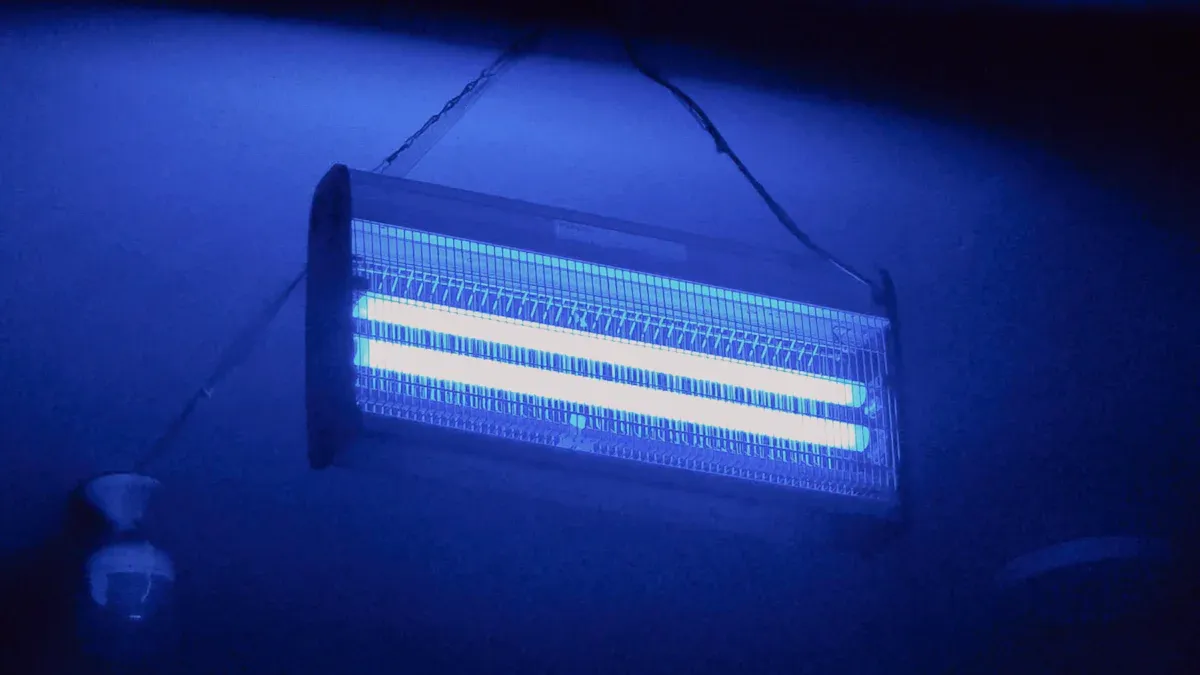
You may wonder how a black light is different. A black light is a special bulb. It gives off uv light you cannot see. When you turn it on, you see a soft purple glow. This glow shows the bulb makes ultraviolet radiation in the UVA range. Most black lights have wavelengths from 365nm to 395nm. These wavelengths help make cool effects. Some things react and show fluorescence.
Wavelength | Applications | Light Color |
365nm | Fluorescence detection, pet urine testing | Blue-white |
395nm | Black light illumination, stage effects | Purple |
How black lights work
Black lights send out uv light. This light hits things with fluorescent compounds. These things soak up the uv energy. Then they give off visible light. That is why white clothes and neon paint glow. Some minerals glow too. You see this at parties and concerts. Science labs use it as well. Black lights help find stains, check money, and make glowing art.
Black light in stage lighting
Black lights are used for fun effects in shows. In theater, they help set the mood. They make movement stand out. They can make things look magical. Costumes and props glow at concerts. Party decorations look brighter. Nightclubs use them for excitement. Here are some ways people use black lights:
Stage lighting design: You make cool light and shadow effects.
Concerts and shows: Costumes and props glow on stage.
Theme parties: Decorations shine with bright colors.
Artwork lighting: Hidden colors show up in art.
Interior design: Homes get a creative look.
GuangDong Future Optoelectronics Technology Co., Ltd. sells black light fixtures and bulbs. These are made for stage lighting. Their products help you make awesome effects at concerts and parties.
What is UV light?
Ultraviolet spectrum
UV light is part of the electromagnetic spectrum. It is found between visible light and X-rays. Scientists split ultraviolet light into three types by wavelength. These types are called UVA, UVB, and UVC. UVA has the longest wavelength. UVC has the shortest wavelength. All three types are ultraviolet radiation. Black light uses UVA. This type is safest for fun and stage effects.
Type | Wavelength Range (nm) |
UVA | 315 - 400 |
UVB | 280 - 315 |
UVC | 100 - 280 |
Types of UV light
There are three main kinds of ultraviolet light. Each kind has its own energy and use. UVA light is found in black light bulbs. UVB light helps with tanning and some medical treatments. UVC light is very strong. It works best for cleaning and killing germs.
UV light type | Wavelength | Relative Energy |
UV-A | 320 – 400 nm | lowest energy |
UV-B | 280 – 320 nm | higher energy than UV-A, but less than UV-C |
UV-C | 200 – 280 nm | highest energy |
UV light applications
UV light is used in many places and jobs. Here are some ways people use it:
Illumination: Factories use ultraviolet light for bright lighting.
Lighted signs: Exit signs and ads often use uv light.
Backlighting: Planes and spaceships use uv light inside.
UV curing: Ultraviolet light dries inks and coatings fast.
Tanning: Tanning salons use uvb light for fake sun.
Phototherapy: Doctors use ultraviolet light for skin problems.
Germicidal: UVC light kills germs on surfaces and in water.
Safety tip: Always protect your eyes and skin from strong uv light. Too much uv light can hurt your skin and eyes. It can cause sunburn and make skin age faster. UVC light is very dangerous. Only use it with safety gear.
You see ultraviolet light in many places, like parties and hospitals. Black light is a safe way to enjoy glowing effects at concerts and events.
Black light vs. UV light
Difference between UV light and black light
You may ask how uv light and black light are not the same. Both are part of the ultraviolet spectrum, but they have different uses. Black light is a kind of uv light. It gives off long-wave ultraviolet rays, mostly in the UVA range. Other uv lights can give off shorter waves, like uvb and uvc. These shorter waves have more energy and do different things.
Black lights mostly make UVA, which makes things glow.
Other uv lights, like UVB and UVC, can clean surfaces or help in medicine.
The main difference is the wavelength and what you use them for.
Here is a table that shows how their emission spectra are different:
Type of UV Light | Wavelength Range (nm) | Description |
Black Light (UVA) | ~365 | Gives off long-wave UV light, mostly in the UVA range. |
Other UV Lights | Varies (UVC, UVB, UVA) | Can give off a wider range of waves, including short and medium UV light. |
People talk about black light vs. uv light a lot in stage lighting. Black lights are used for glowing effects. Other uv lights are better for cleaning or science.
Wavelengths and visibility
Wavelengths help decide what you see from the light. Black lights give off ultraviolet light from about 320 to 400 nm. This light is not seen by your eyes, but you see a soft purple glow from the bulb. Most of the light is hidden, so things with fluorescent compounds glow under black light.
Other uv lights cover a bigger range, from 100 to 400 nm. Some of these waves, like UVC and UVB, are totally invisible. Only UVA, which black lights use, makes things glow that you can see.
Type of Light | Wavelength Range (nm) | Visibility |
Black Light | 320 - 400 | Not seen by the human eye |
UV Lights | 100 - 400 | Has both seen and unseen waves |
Black light vs. uv light is important for special effects. You pick black light for parties, concerts, and art because it makes colors stand out. Other uv lights do not make things glow the same way.
Safety and practical uses
Safety matters when you use any ultraviolet light. Black lights are safer for most people because they use UVA, which has less energy. You can use black lights at events without worrying about hurting your skin or eyes. Other uv lights, like uvb and uvc, need more care. UVC can clean surfaces, but it can also hurt your skin and eyes.
Safety tip: Always follow safety rules when using ultraviolet light. Wear safety gear if you use uvb or uvc.
Here are some ways people use black light vs. uv light:
Black lights help make glowing effects at concerts, parties, and festivals.
You use black lights to find stains, check money, and show off art.
Other uv lights are best for cleaning, treating water, and medical care.
Black lights do not clean things, so do not use them for that. You get the best results when you pick the right ultraviolet light for your needs.
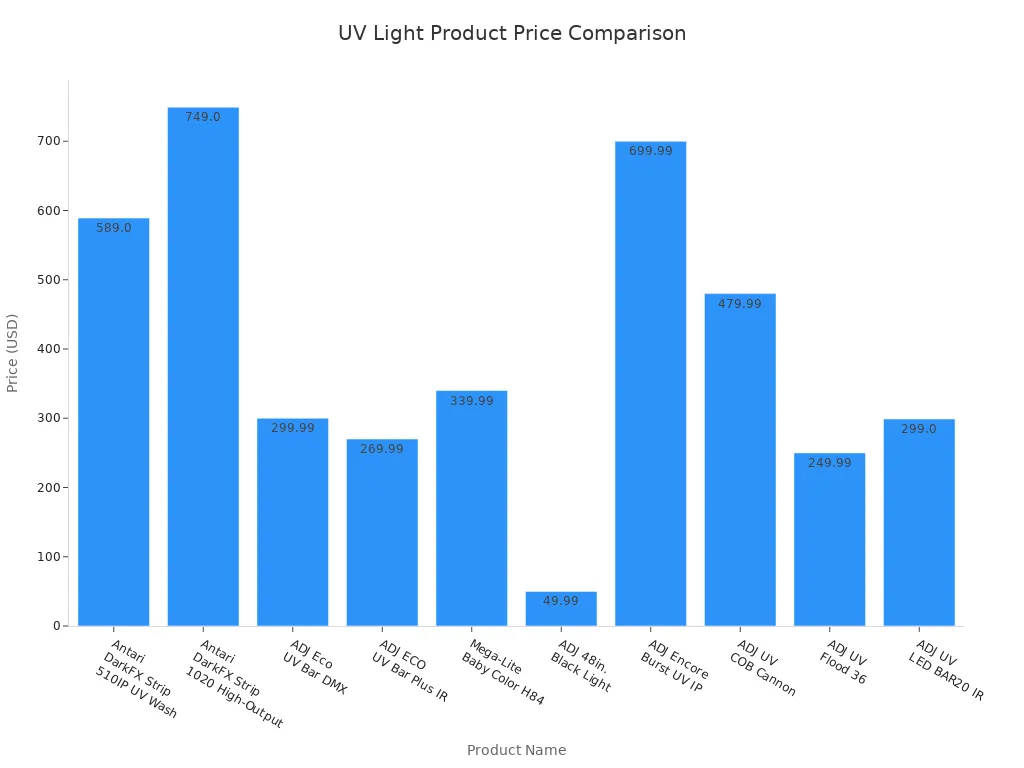
You may also want to think about cost and how well they work. Black light fixtures, especially LED ones, use less energy and last longer than old uv lights. This makes them a good choice for stage lighting. Here is a chart that shows prices of different UV lights for stage lighting:
![Bar chart comparing prices of various UV light products for stage lighting]()
LED black lights save more energy and are better for the planet. They use less power and do not harm the environment as much as old uv lights.
Note: Always think about safety and the environment when you pick lights for your event or place.
Why do things glow under black light?
![Why do things glow under black light?]()
Ultraviolet fluorescence
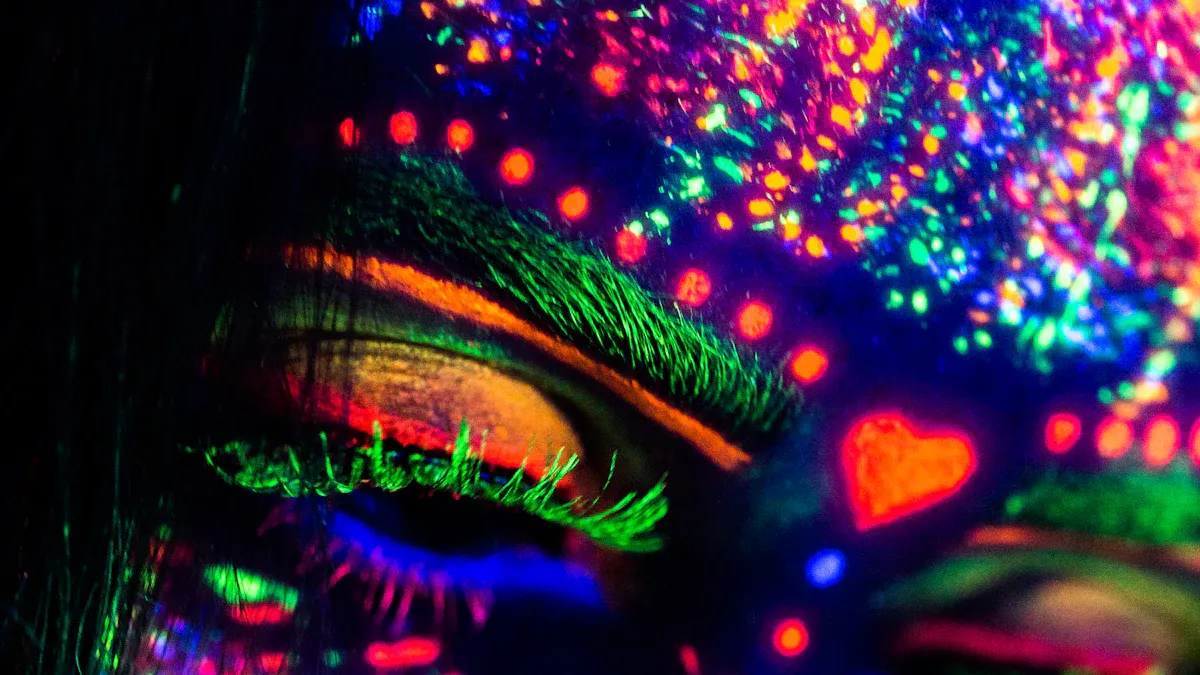
At concerts and parties, you see glowing things. This happens because of fluorescence. When a black light shines on some materials, ultraviolet rays hit them. The rays make electrons inside the material excited. These electrons give off energy as visible light. You only see the glow when the black light is on. Fluorescent reactions start and stop right away. If you turn off the light, the glow stops. Phosphorescence is not the same. Some materials keep energy and glow after the light is off. This glow can last a few seconds or even hours.
Tip: Fluorescence gives quick, bright effects for shows. Phosphorescence makes props glow longer after the show ends.
Everyday glowing materials
Many things at home or outside glow under black light. These items have special compounds that react to ultraviolet light. For stage lighting, people use plastics, neon paints, and makeup. These help make cool effects. You also see glowing things in nature and at home.
Here are some common things that glow under black light:
Neon-colored acrylic plastics
White paper glows blue from special compounds
Makeup made to glow under UV light
Some foods and drinks, like bananas and tonic water
The table below lists more examples and why they glow:
Item | Reason for Glow |
Laundry Detergent | Has brighteners that take in UV light and give off blue light. This makes clothes look better. |
Highlighters | Have dyes that glow under UV light, especially yellow and pink. |
Whitening Toothpaste | Has things like titanium dioxide that glow under UV light and help whiten teeth. |
Vitamin B-12 Pills | Glows yellow because of its molecules under UV light. |
Paper Money | Has security threads that glow under black light to stop fake bills. |
Jellyfish | Some jellyfish glow because of proteins. Scientists study these. |
Scorpions | Most scorpions glow blue-green because of their shell compounds. |
Banana Peels | Glow blue as they ripen because chlorophyll breaks down. This attracts bugs. |
Petroleum Jelly (Vaseline) | Glows bluish-white under UV light because of its hydrocarbons. |
You can use black light to make costumes, props, and decorations stand out. Stage designers pick materials that react well to ultraviolet light. Fluorescence helps make your event fun and easy to remember.
You now know that a black light is a type of UV light, but it uses the safer UVA range. When you choose lighting for events or your home, think about the effect you want and the level of safety needed. In stage lighting, always keep safety in mind:
Guide performers with spotting lights in dark areas.
Rehearse all movements in work light before using black light.
Give protective eyewear to spotters and warn everyone before use.
With the right choices, you create stunning effects and keep everyone safe.
FAQ
What is the main difference between black light and other UV lights?
You use black light for glowing effects. Other UV lights work best for disinfection or medical sterilization. Black light uses UVA, which is safer. UVB and UVC have higher energy and help with disinfecting surfaces.
Can you use black light for disinfection?
You cannot use black light for disinfection. Black light does not have enough energy to kill germs. UVC light is the best choice for disinfection. Always use proper safety gear when working with UVC.
Why do some objects glow under black light?
You see objects glow because they contain fluorescent compounds. Black light helps you detect fluorescent substances. These compounds absorb UV light and release visible light. You notice this effect in stage lighting and art.
Is UV light safe for home use?
You can use black light safely at home for parties or decorations. UVB and UVC lights need caution. UVC is used for medical sterilization and disinfection. Always protect your skin and eyes from strong UV light.
What are common uses for UV light?
You find UV light in many places. It helps with disinfection, medical sterilization, and tanning. You also use it to detect fluorescent substances and for entertainment. Black light is popular for concerts and parties.